
Every believer eventually sits under a sermon, book, or teacher that doesn't quite sit right. In that moment, the real question is: what does the Bible say about false prophets, and how does Scripture help us weigh what we're hearing? The answer isn't complicated, but it takes practice, and it's a skill every Christian is called to develop.
Why Testing What You Hear Matters
Scripture doesn't merely suggest we examine teaching. It commands it. John writes plainly: "Beloved, believe not every spirit, but try the spirits whether they are of God: because many false prophets are gone out into the world" (1 John 4:1, KJV). The Bereans were praised for the same habit, searching Scripture daily to confirm what Paul taught them was true (Acts 17:11, KJV).
Paul also warned Timothy that a time would come when people would gather teachers who told them what they wanted to hear rather than sound doctrine (2 Timothy 4:3-4). None of this is presented as optional. Testing what we hear is part of ordinary, faithful Christian living, not a task reserved for suspicious or overly cautious believers.
What a False Prophet Actually Looks Like
Jesus warned that false prophets come "in sheep's clothing," appearing gentle and trustworthy while leading people astray (Matthew 7:15, KJV). Outward charisma, confidence, or even accurate predictions aren't the test. Fruit is. This is where discernment, the capacity to judge well between truth and error, becomes essential.
A teacher can quote Scripture fluently and still misuse it, and a message can sound biblical on the surface while quietly reshaping what Scripture actually says about sin, salvation, or the character of God.
Three Practical Tests You Can Apply
- Compare, don't assume. Does the teaching hold up against the full counsel of Scripture, or only against a few verses pulled out of context? Read the surrounding chapters, not just the highlighted verse.
- Watch the fruit. Does the teacher's life reflect humility, integrity, and love, or self-promotion and control? Reputation and results are not the same as godly character.
- Check the center. Does the message point to Christ's sufficiency, or quietly add hidden knowledge, a required ritual, or personal loyalty to the leader as the real key to spiritual growth?
Frequently Asked Questions
What does the Bible say about false prophets?
Scripture describes them as deceptive by design, appearing trustworthy while teaching error (Matthew 7:15), and calls believers to test every teaching rather than accept it on reputation alone (1 John 4:1).
Can a sincere teacher still be wrong?
Yes. Sincerity was never the biblical test. A teacher can genuinely believe something false and still lead people astray, which is exactly why Scripture, not personal conviction, is the standard.
Where should I start if a teaching feels off?
Read the passage in context, compare it against other Scripture, and talk with mature, discerning believers before drawing conclusions. Give yourself permission to slow down rather than accept or reject something on the spot.
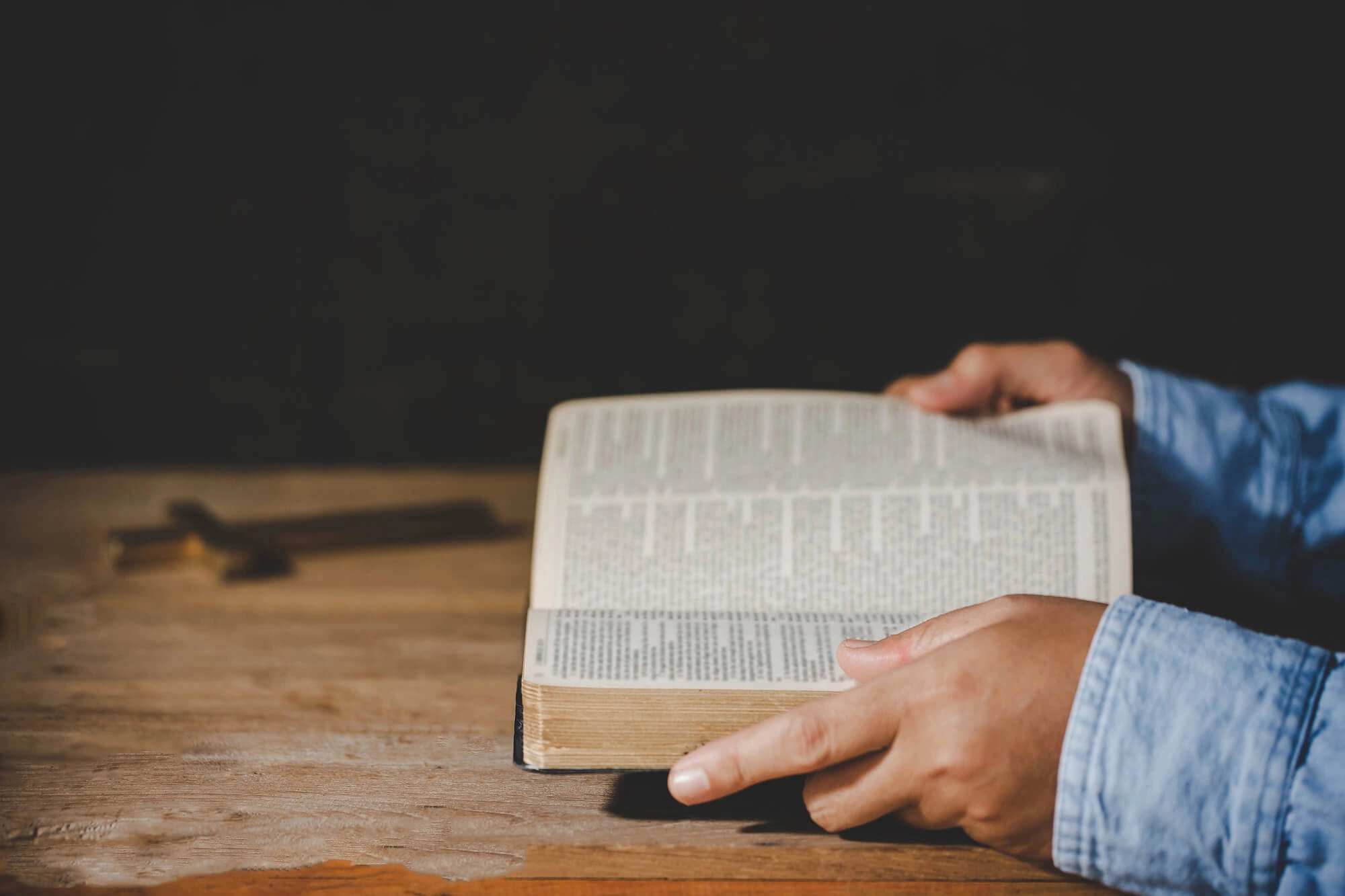
What Does the Bible Say About False Prophets? Standing Firm in Truth
Testing what we hear isn't distrust. It's obedience. Scripture gives clear, workable tools for anyone willing to use them, and growing in this kind of discernment protects both your own faith and the faith of those around you.
If you're wrestling through a teaching that doesn't sit right, we'd encourage you to dig into resources like Let Us Reason Ministries and The Berean Call, and to reach out to us at Spiritual Research Network. We're here to help you study, test, and stand firm in what's true.
“Beloved, believe not every spirit, but try [test] the spirits whether they are of God: because many false prophets are gone out into the world.”